Home Builders/Developers
Integrating Solar into New Developments
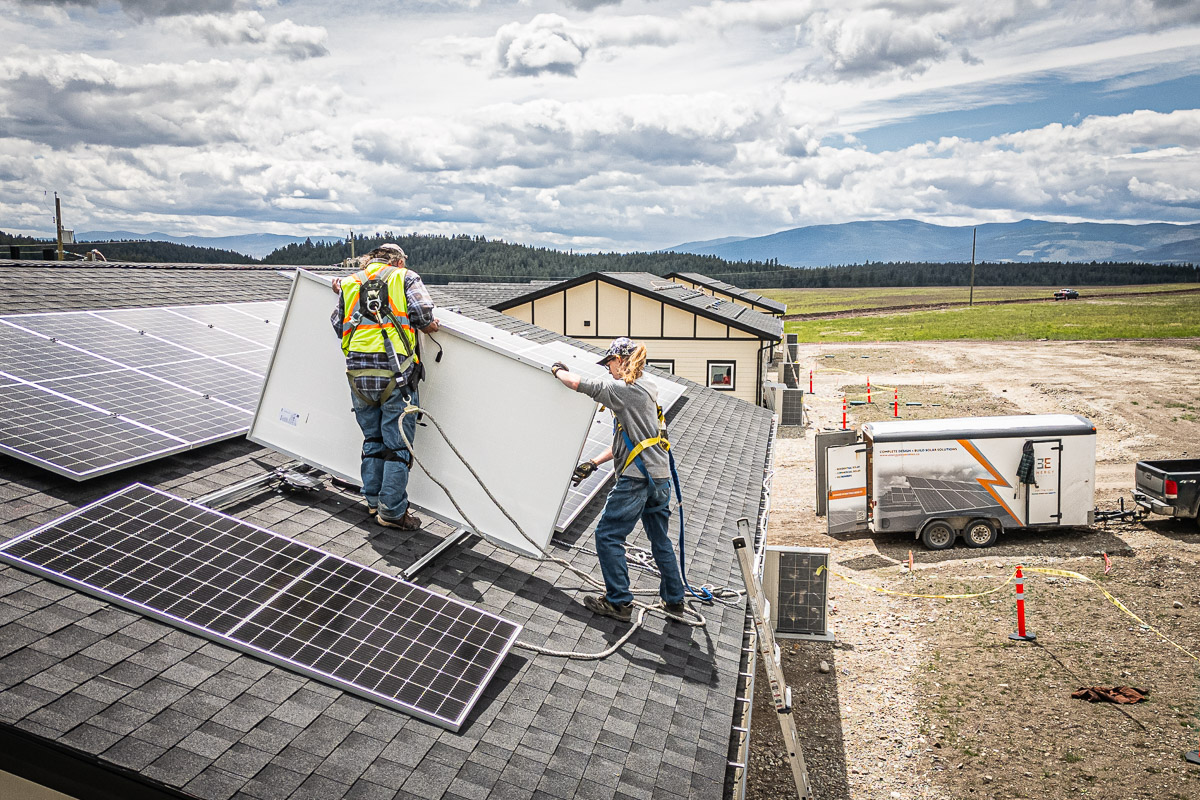
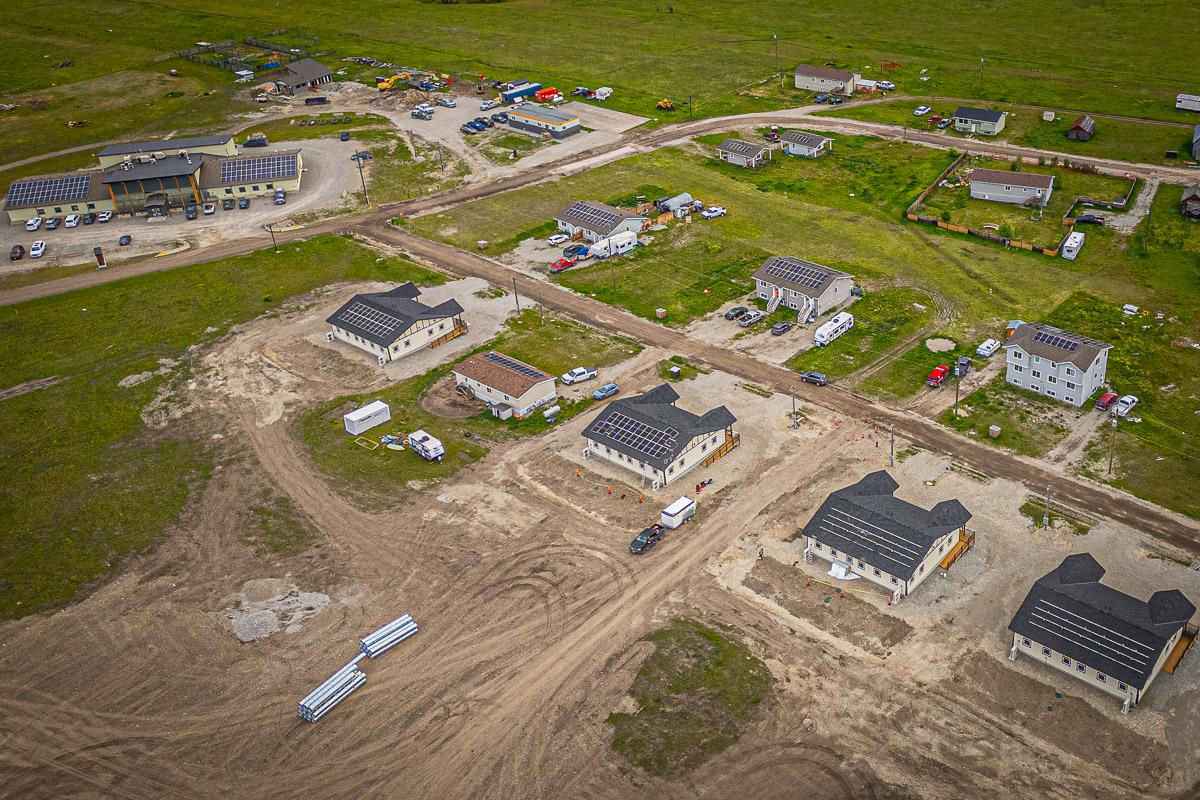
Home builders and developers across British Columbia trust Energy Economics to integrate solar energy into new residential projects. Our solutions range from grid-tied systems for single-family homes to complex micro-grids for multi-unit developments. We work closely with builders to design and install solar systems that meet the latest energy efficiency standards, enhancing the value and sustainability of new developments.
First Nations
Partnering with First Nations for Energy Independence
Energy Economics is proud to partner with First Nations communities in British Columbia to develop sustainable, independent energy systems. Our solar solutions help First Nations reduce energy costs, enhance energy security, and support economic development. By providing off-grid, hybrid, and micro-grid systems, we empower First Nations to harness renewable energy, preserving their natural resources while building resilient communities.
Multi-Unit Residential Buildings/Housing
Powering Multi-Unit Residences with Solar
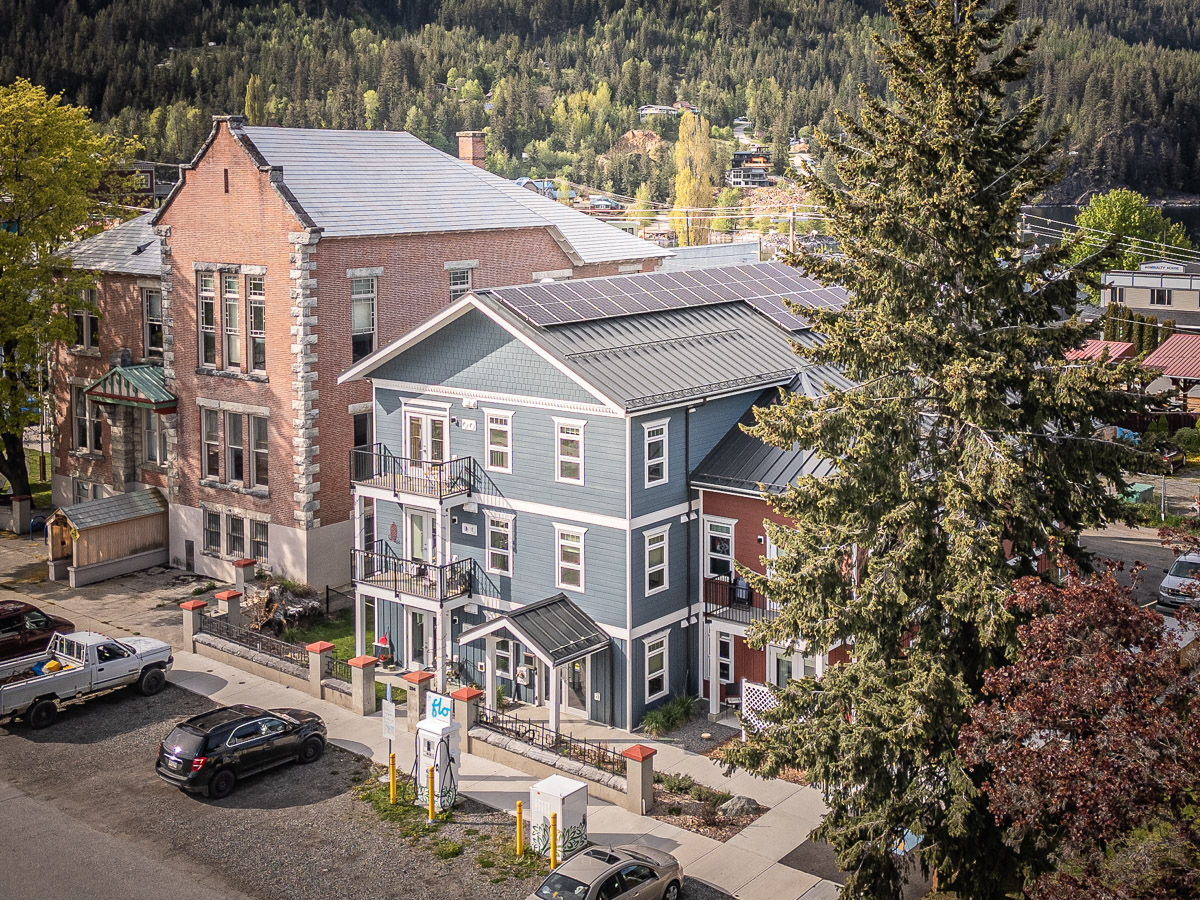
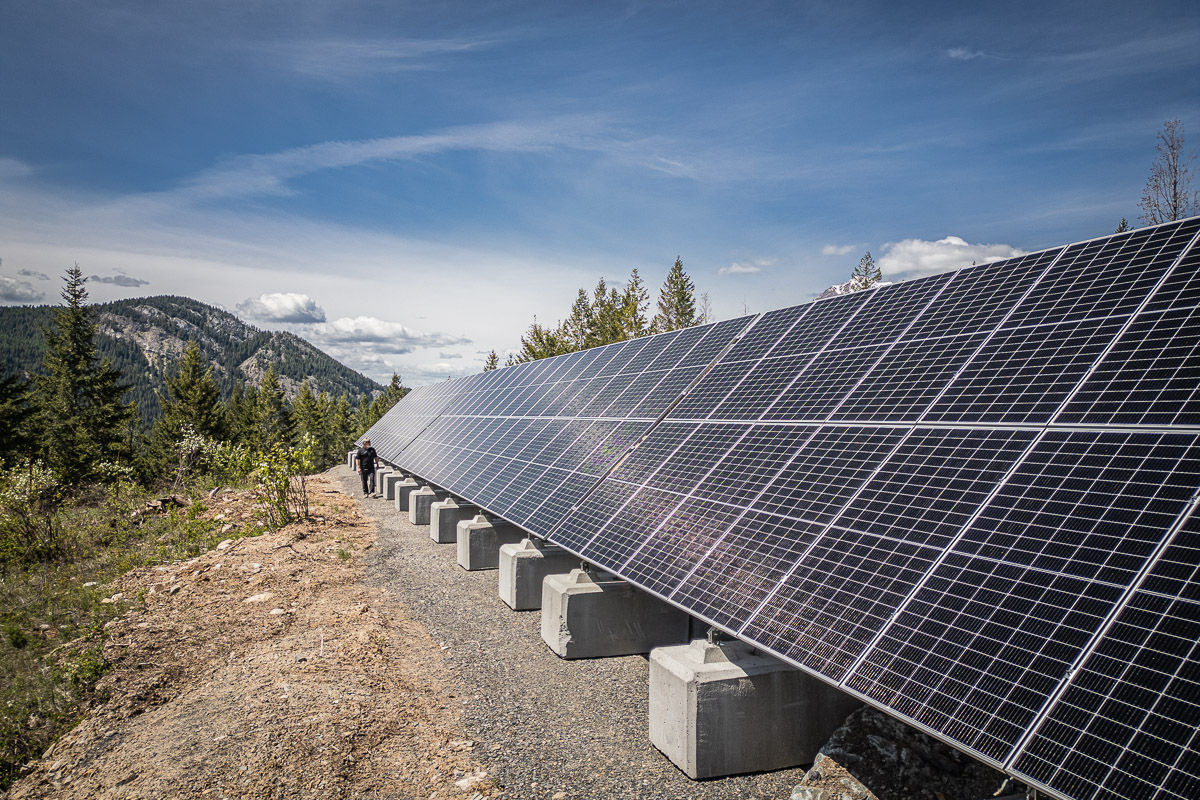
Energy Economics provides comprehensive solar solutions for multi-unit residential buildings and housing projects. Our systems, installed in communities including Langley, Kaslo, Sparwood, Elkford, and Tobacco Plains, are designed to reduce energy costs, enhance sustainability, and provide reliable power to residents. We offer tailored solutions, including micro-grids and hybrid systems, to meet the specific needs of large residential developments, ensuring energy efficiency and environmental responsibility.
Non-Profits
Affordable Solar Solutions for Non-Profits
Non-profit organizations often operate on tight budgets, making energy efficiency crucial. Energy Economics offers tailored solar solutions that help non-profits reduce energy costs and reinvest savings into their mission-driven work. Our systems are designed to meet the unique needs of non-profits, whether through grid-tied, off-grid, or hybrid solutions, ensuring that these organizations can achieve their sustainability goals while maximizing their impact.
Agricultural Solar + Agrivoltaics
Sustainable Energy Solutions for Agriculture
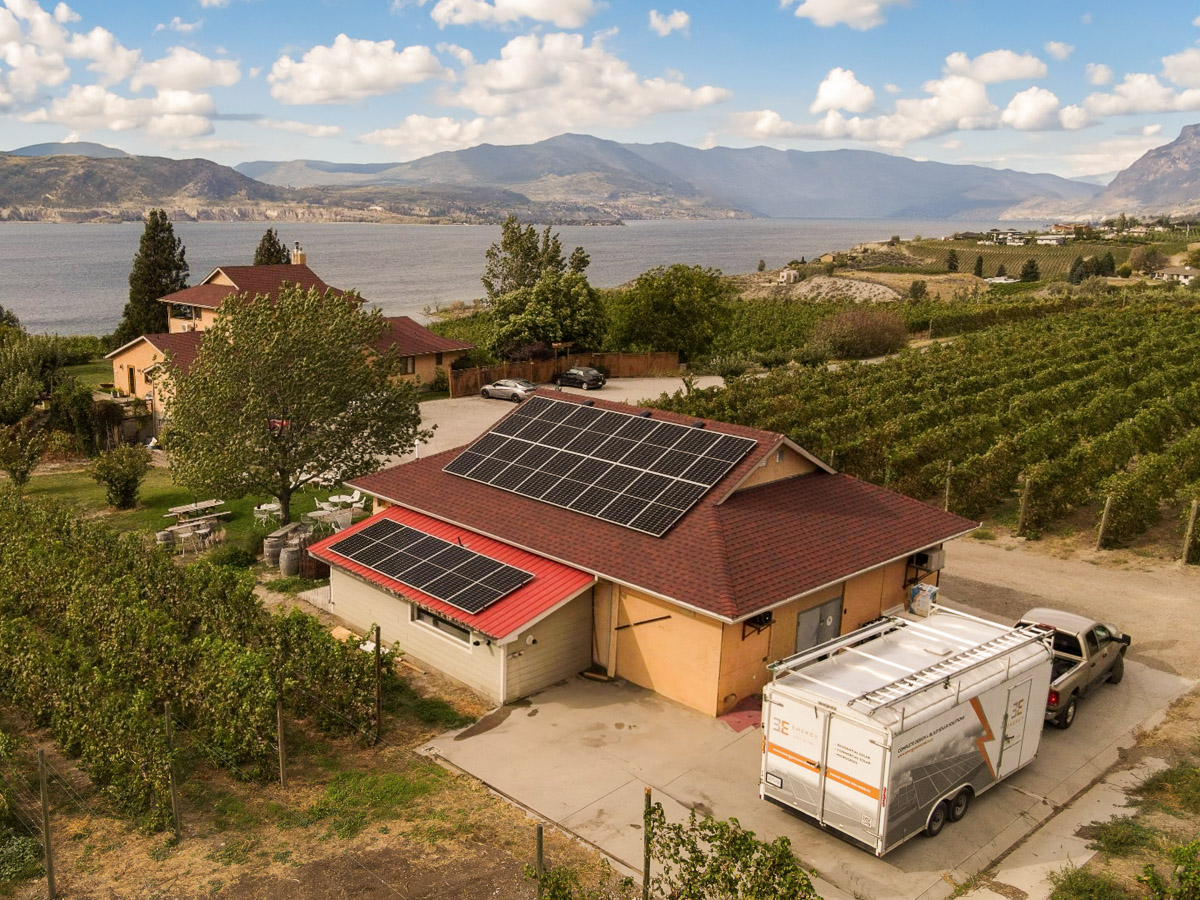
Energy Economics supports British Columbia’s agricultural sector with innovative solar solutions, including agrivoltaics, which combine crop production with solar energy generation. Our systems help farmers reduce energy costs, increase land use efficiency, and improve sustainability. By integrating solar power into agricultural practices, we enable farms to generate their own electricity, lower operational costs, and create a more resilient and sustainable farming environment.
Solar Carports and EV Charging Stations
Enhancing Commercial Spaces with Solar Carports and EV Charging
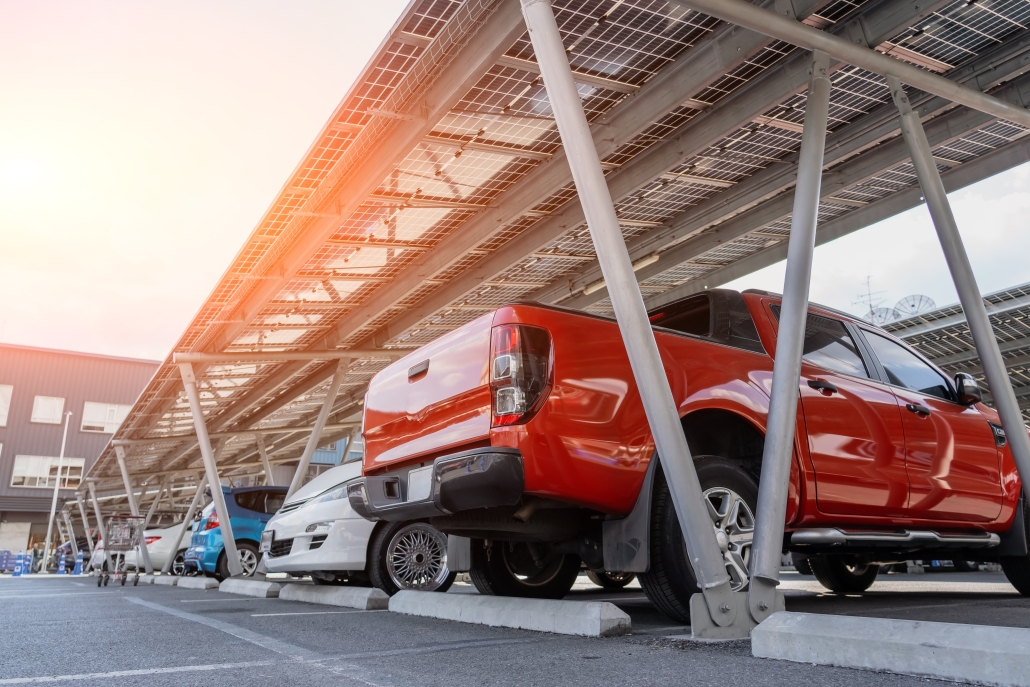
Our solar carport solutions provide dual benefits: shading vehicles and generating clean energy for your business. Combined with EV charging stations, these installations can enhance your commercial property’s appeal and functionality. Energy Economics designs and installs customized solar carports and EV charging infrastructure that meet the needs of businesses, shopping centers, and public spaces, contributing to energy efficiency and sustainability.